Posts

Showing posts with the label study

Argemone ochroleuca (Mexican Prickly Poppy) an invasive plant.

Image
  Learn more at www.abt-edu.com Invasive alien vegetation refers to plants brought to South Africa from other countries, both intentionally and unintentionally, that cause human, environmental or economic harm. Without natural enemies, these plants reproduce and spread rapidly, taking valuable water and space from our indigenous plants. This plant is native to Mexico and has also been introduced to many temperate and tropical regions of the world where is considered as an invasive weed. Commonly found as a weed of roadsides, mining dumps, rabbit warrens, recently cultivated paddocks, waste places, and over grazed pastures. It often occurs as dense stands in sandy stream beds and alluvial flats associated with intermittent inland streams. An extremely hardy pioneer plant, it is tolerant of drought and poor soil, often being the only cover on new road cuttings or verges. It has bright yellow latex. It is poisonous to grazing animals, and it is rarely eaten, but it has been used m...

ANTI-POACHING CAREER EXPERIENCE

Image
  Learn more at https://abt-edu.com 7 Days full-time Get a taste of what it takes to be at the front lines of wildlife conservation in Africa. During this action-packed 7 days students will be taken through the realities of wilderness protection and shown in true hands-on fashion what is being done to keep wildlife safe from poaching and illegal animal harvesting... STUDENT FEE: R 8 700:00 INCLUDED: Meals, Accommodation, Study Material, Shirt, Cap & Certificate COURSE CONTENTS: Anti-poaching Methods & Techniques, Patrols, Ambush, Survival & Bush Craft, Dealing with Dangerous Animals, and much more... Contact us at info@africanbushtraining.com

The Puff adder is responsible for causing the most snakebite fatalities in Africa. - Wikipedia

Image
Learn more at https://abt-edu.com They are short stocky snakes that occur in a variety of colours, from sandy brown, grey, bright yellow & black in some parts of its range. As South Africa’s most widely-spread, venomous snake, the Puff Adder occurs in a large range of habitat, from coastal bush, grassland, fynbos habitat. The Puff Adder along withe the Mozambique Spitting Cobra account for the majority of serious snake bites South Africa. The Puff Adder is a snake with excellent camouflage, and it prefers to sit and wait for opportunity when it comes to feeding. These snakes may remain in an ambush position for several weeks, waiting for a potential meal to pass by. They have a powerful cytotoxic venom which can lead to extreme pain, severe swelling, and blistering of the skin. Anti-venom: Polyvalent anti-venom is used in the effective treatment of bites. The name ‘puff adder’ stems from the snake’s habit of inflating itself and hissing when threatened. The noise produced is a ...

Opuntia, commonly called prickly pear. #BotanyFriday

Image
Learn more at https://abt-edu.com They are a succulent shrub or small tree with paddle-shaped stems armed with spines. This plant is leafless. It is an invasive alien from Central America. The fruits are plum-shaped, spiny and edible. Habitat of the Sweet Prickly Pear  - It grows across South Africa, having spread over the centuries after been imported from Mexico. The Prickly Pear is one of the most used alien plants in South Africa, so much so that many now believe the plant is a South African species. The prickly pear is used to build stockades for domestic animals – and is used as feed for the animals. Many farmhouses in South Africa are enclosed in a Prickly Pear fence. The fruit is used today to make jams and various drinks. In many areas, such as wilderness areas the plant is seen as a pest and steps are taken to eradicate it. Contact us at info@africanbushtraining.com

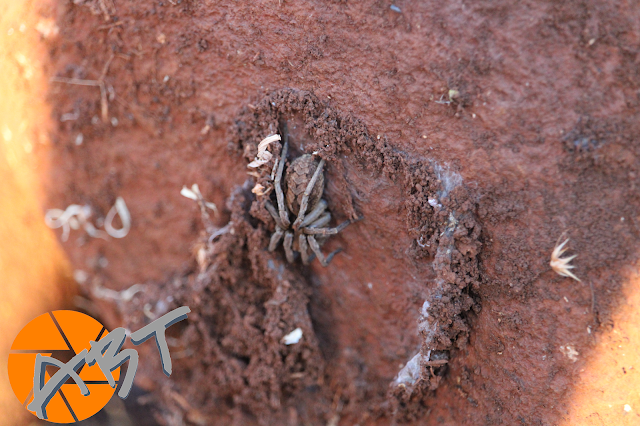
Spiders are arachnids, not insects. Other members of the arachnid family include scorpions, mites, ticks and harvestmen.#CritterThursday

Image
Learn more at https://abt-edu.com The greatest threat to spiders is habitat loss, although some spider species are also threatened by the pet trade. Most species are carnivorous, either trapping flies and other insects in their webs, or hunting them down. They can’t swallow their food as is, though—spiders inject their prey with digestive fluids, then suck out the liquefied remains. Though not all spiders build webs, every species produces silk. They use the strong, flexible protein fiber for many different purposes: to climb (think Spider Man), to tether themselves for safety in case of a fall, to create egg sacs, to wrap up prey, to make nests, and more. Most spider species have eight eyes, though some have six. Despite all of those eyes, though, many don’t see very well. A notable exception is the jumping spider, which can see more colors than humans can. Using filters that sit in front of cells in their eyes, the day-hunting jumping spider can see in the red spectrum, green s...

Peters’ Thread Snake (Leptotyphlops scutifrons) #ReptileMonday

Image
Learn more at https://abt-edu.com A very small snake that averages around 20 cm in length. The Thread Snakes resemble worms and it can be difficult to distinguish the head from the tail. They are burrowing snakes with a cylindrical body and the eye is minute. They feed on invertebrates, especially termites and their eggs. The Thread Snakes spend most of their lives underground but may come to the surface after heavy rains. They are sometimes found under rocks and logs and old termite mounds.  The Thread Snakes are tricky to tell apart and multiple species occur in Southern Africa. They can also be confused with the venomous Stiletto Snake. Thread Snakes are completely harmless. The Female lays three to six elongated eggs, joined like a string of sausages, in summer. They are eaten by other snakes, birds, small carnivorous mammals (e.g. mongooses) and scorpions. Contact us at info@africanbushtraining.com

Humans are the Sable antelope’s only real threat. The giant sable antelope subspecies is listed as endangered because of trophy hunting and habitat loss.#ConservationTuesday

Image
Learn more at https://abt-edu.com The Sable is a barrel-chested rotund antelope with a long face, short neck, and dark mane. They have impressive ringed horns rising vertically to curve backwards. When arching their necks and standing with their heads high and tails outstretched, these antelope look like horses. In this position they appear larger than they actually are. The males keep this position even when galloping, the arched neck being important to manifest dominance. Sables change color as they grow older. Calves are born with a reddish-brown color and virtually no markings. White markings appear as they grow older and their coat becomes darker, and the older the animal is, the more striking is the contrast. Sable antelopes are herbivorous. They are specialized browsing animals and feed upon foliage, leaves, medium length grass, and herbs, especially those growing on termite mounds. The leaves of trees provide 90% of their diet. Ask any lowveld old-timer and they will tell y...

Recipe to become a better tracker #ABTRecipeFriday

Image
Learn more at https://abt-edu.com Learn to feel the heartbeat of your environment. Find somewhere to sit, then let your mind go blank. Get good at feeling, seeing, listening, tasting and smelling. We think vision is our strongest sense, but smell is our most primeval – it can deliver more information than any other. When you’ve honed your senses, they will combine into one super-sense: intuition. Getting to know where the food, water and barriers are will help you to find good tracks. Imagine flying above the landscape, gaining a bird’s eye view of the animal you’re tracking. Think as the animal is thinking. If I’m in dangerous-animal country I try to think ‘smarter’ than the animal. Find the shadows and you’ll find the leopard (they rely on them for camouflage). Find the prey and you’ll find the predator. Also, look for ‘track traps’ – soft or sandy patches, into which animals are funnelled; try trails – most animals opt for the path of least resistance. Keep your eyes peeled for colo...

Fact: Geckos' eyes are 350 times more sensitive to light than human eyes. #ReptileMonday

Image
Here are a few Gecko facts you need to know: Most species of gecko don’t have eyelids, so they lick their eyes to clean them. Geckos range in life span depending on the species, but many will live around five years in the wild. Geckos use their tails to store fat and nutrients for lean times. Most geckos can detach their tails — and regrow them later if necessary. Geckos are able to produce various sounds for communication, including barks, chirps and clicks. Geckos' amazing toes help them stick to any surface except Teflon. Geckos typically eat fruits, insects and flower nectar. Geckos give birth by laying eggs. The female can be pregnant with her eggs for years before she lays them. For example, the harlequin geckos' pregnancy lasts three to four years. When the eggs are ready, a gecko lays her eggs in leaves and bark. These lizards have sticky feet that allows them to climb up slick surfaces. Their toes have microscopic hairs called setae that give them this sticky ability. ...

HOSPITALITY MANAGEMENT PROGRAM

Image
Learn more at https://abt-edu.com DURATION: 3 Months Full-time   The course centres around three primary topics of importance, which include an introduction to hospitality management, an overview of all the key operations in hospitality and the responsibilities to uphold industry standards.    This HOSPITALITY MANAGEMENT PROGRAM, offers a comprehensive introduction to this dynamic and diverse business sector.  The course is designed for those with a strong interest in hospitality management, though no specific experience. A series of eight detailed modules gradually introduces students to every important skill, trait and insight required to begin or advance an exciting career, followed by practical work experience in a typical bush camp and high profile guest lodge. QUALIFICATIONS INCLUDED: Lodge Leadership, Game Lodge Management, Accommodation Services, Professional Cookery & Kitchen Operations, Hospitality Reception, Food & Beverage Services, Ev...

WILDLIFE & RESERVE MANAGEMENT COURSE #CareerSaturday

Image
Learn more at https://abt-edu.com DURATION: 21 Days Full-time   Start your career in conservation under the mentorship of renowned conservationists, ex-Kruger Park rangers and veterans in in the field; or just join the course for a life changing wilderness experience…the choice is yours, but one thing is certain - what you will learn and experience is priceless!!!   This “feet-wet & hands-dirty” course has been developed to teach students the fundamentals of sustainable and responsible wildlife management as they actively partake in the daily running of a wilderness concession located in the world famous Greater Kruger Park!!!   COURSE CONTENTS:   Conservation Action Planning, Laws & Legislation, Bio-diversity Conservation, Natural Resources Protection, Veld Management, Ecological Processes & Principles, Plant & Animal Care, Land Degradation, Invader Plants, Bush Encroachment, Road Maintenance, Fire Management, Animal Health Monitoring...

CONSERVATION MANAGEMENT PROGRAM

Image
Learn more at https://abt-edu.com Duration: 3 Months Full-time   Join the ‘Conservation Services’ community today and contribute to wildlife conservation in Africa... The aim of this course is to provide students with the skills to succeed in a rapidly-changing nature conservation environment where innovation is key. Graduates are equipped with a comprehensive range of technical, managerial, research, communication and life skills for employment in the field of nature conservation. The purpose of this qualification is to supply the nature conservation industry with people who can competently contribute to the conservation of biodiversity and provide knowledgeable assistance to natural resource and reserve managers.   QUALIFICATIONS INCLUDED: Wildlife/Reserve Management, Wilderness Protection (Anti-poaching), Field Ranger Training, Game Ranching/Game Breeding, Wildlife Rehabilitation, Wildlife Research, Conservation Action Planning, And much more... Contact us at in...

FACT : Butterflies Taste With Their Feet. #CritterThursday

Image
  Here are a few interesting facts : Butterflies and moths are part of the class of insects in the order Lepidoptera. Butterflies are flying insects with large scaly wings. Like all insects, they have six jointed legs and three body parts: the head, the thorax and the abdomen. The wings are attached to the thorax and they also have a pair of antennae, compound eyes and an exoskeleton. The butterfly starts its life as an egg, laid on a leaf. The caterpillar (larva) hatches from the egg and eats leaves or flowers. It loses its skin many times as it grows, increasing greatly in size. Eventually it turns into a pupa, or chrysalis and finally a beautiful adult butterfly emerges and the cycle continues. An adult butterfly has a very short life: just three to four weeks. However, the entire life cycle of a butterfly can range between 2 and 8 months, depending on the species. It might sound strange to us humans, but butterflies rely on their feet to taste food. Their feet have taste sensor...

Become a part of nature with a walking safari #WildWednesday

Image
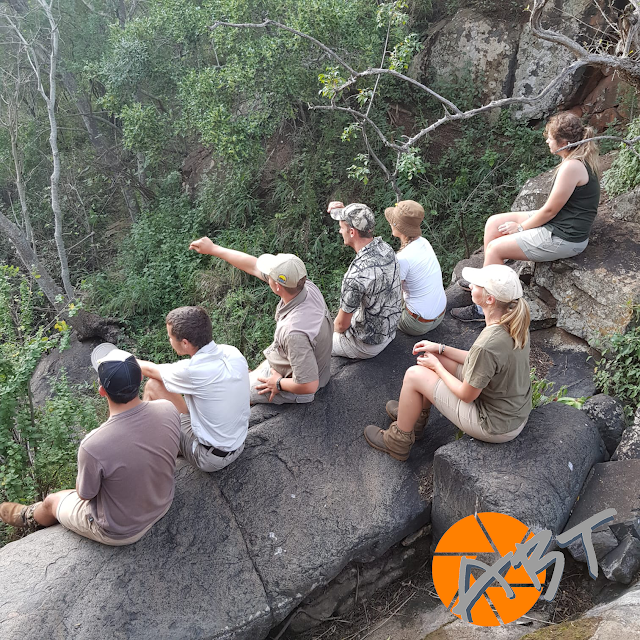
What better way to experience the ultimate in safari experiences - picture walking through the untouched wild of South Africa, to your left a 1000-year-old Baobab tree, to your right a herd of giraffes getting ready for the day ahead. Step by step, you’re connecting with nature in its rawest form. It’s a magical experience you will never forget. Kruger National Park walking safaris are guided by experienced rangers with an extensive knowledge of the area, the wildlife, birdlife and indigenous vegetation.The camp-staff cook and clean while your guide leads you into close encounters with the African wild. Feel your excitement build as you track the South African Big 5 on your walking safari. On your walk, you’ll learn about the ecology, the birds, the game, the plants and insects, and also how to interpret the signs of the wild, including animal spoor (footprints). When you come face to face with that elephant, or watch that dung beetle labouring with his ball of dung, you'll realise...

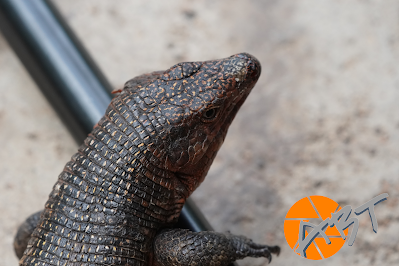
Giant Plated Lizard #ReptileMonday

Image
Giant plated lizard (English),  reusepantserakkedis   (Afrikaans),   uxamu   (isiZulu),   chamu   (siSwati) The giant plated lizard is the second largest lizard species found in South Africa, after the monitor lizard, and they are known to attain a body length of approximately 690 mm. Giant plated lizards are rupicolous, which means that they live among rocky outcrops, mostly on the upper slopes of granite hills. Giant plated lizards are shy and hard to approach – an individual will often retreat into rock crevices at the slightest disturbance and inflate its body, effectively wedging itself into the crevice and making it very difficult for anything to dislodge it.  They occur in most southern African countries including Angola, Botswana, Malawi, Mozambique, Namibia, South Africa, Swaziland, Zimbabwe and Zambia. They are widespread and generally common in their natural range and no conservation actions are recommended. Giant plated lizards have st...

GAME RANCHING / BREEDING COURSE

Image
Learn more at https://africanbushtraining.com COURSE TYPE : Full-time Training DURATION: 11-Days STUDENT FEE : R 14 700:00   INCLUDED: Meals, Accommodation, Study Material, Uniform Contribution, Membership-, Exam-, Assessment- & Moderation- Fees COURSE CREDITS: This course is accredited and fully endorsed by the ISCI (International Students Conservation Initiative). COURSE MODULES: Introduction to Game Ranching Ecosystems Planning & Management Nutrition in game animals Genomics as a tool for the wildlife industry Predator Management Game Capturing Methods Diseases & Parasites Animal Health Monitoring Species Accounts And much more… Contact us at info@africanbushtraining.com

WILDLIFE MANAGEMENT COURSE ( FULL OR PART TIME )

Image
Learn more at https://africanbushtraining.com COURSE TYPE: Full-time Training DURATION: 21-Days STUDENT FEE: R 26 700:00 INCLUDED: Meals, Accommodation, Study Material, Uniform Contribution Membership-, Exam-, Assessment- & Moderation- Fees   COURSE CREDITS: This course is accredited and fully endorsed by the ISCI (International Students Conservation Initiative).   COURSE MODULES: Introduction to Wildlife Management Conservation Action Planning Laws & Legislation Bio-diversity Conservation Natural Resources Veld Management Ecological Processes & Principles Plant & Animal Care Land Degradation Invader Plants Bush Encroachment Road Maintenance Fire Management Elephant Management Animal Health Monitoring Game Fencing And much more… OR CHOOSE  COURSE TYPE:   I-LEARN Distance Learning & Full-time Contact Training DURATION & STUDENT FEE: PHASE 1: R 8 000:00 (I-LEARN Online Classes) PHASE 2: R 1...

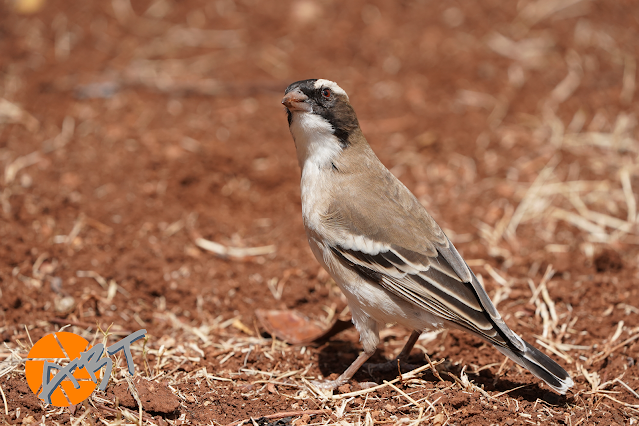
White-browed Sparrow - Weaver #BirdingSunday

Image
The White-browed Sparrow-weaver was collected and formally described by Andrew Smith a Scottish surgeon, explorer, ethnologist and zoologist. Smith organised an expedition to the interior and he travelled to near the Botswana border in 1834-35, collecting many new birds, reptiles, mammals and other along the way. It ranges from 17 to 19 cm (6.7 to 7.5 in) in length and is characterized by a broad, white eyebrow stripe and white rump visible in flight. While the male white-browed sparrow-weaver sports a black bill, the female's bill is horn-colored (light gray); that of the juvenile is pinkish-brown. In Zimbabwe, the white-browed sparrow-weaver shows faint brown spotting across its white breast. The white-browed sparrow-weaver is monogamous, co-operative and colonial. There are a single breeding male and female in each group. The breeding pair, assisted by the helpers, build an untidy straw like ball nest, with more than one entrance hole. The second entrance will be closed whe...

FGASA APPRENTICE FIELD GUIDE COURSE (NQF2)

Image
Learn more at https://africanbushtraining.com Course Overview   COURSE TYPE : Full-time Training DURATION: 55-Days STUDENT FEE: R 64 500:00 INCLUDED : Meals, Accommodation, Study Material, Uniform Contribution, Membership-, Exam-, Assessment- & Moderation- Fees COURSE CREDITS : The course is fully endorsed by CATHSSETA, FGASA (Field Guide Association of Southern Africa) and accredited by the ISCI (International Students Conservation Initiative)   COURSE MODULES : Geology: Rocks & Soil Ecology: Processes & Principles Astronomy: Stars & Planers Weather & Climate Botany: Grasses, Scrubs & Trees Mammals: Animal Studies Ethology: Animal behaviour Birds & Birding Freshwater Fish Reptiles: The scale ones… Arthropods: Insects, Scorpions, Spiders, etc. Conservation Management Amphibians: Frogs & Toads Early Human Habitation Wilderness Tracking & Bush Craft And much more... Contact us at info@africanbu...

Join ABT in learning more about the Emperor Moth #ConservationTuesday

Image
©Lafras Taljaard The moths are easily identifiable by their markings, which feature a large orange eyespot on each hind wing and two black and white bands isolating two smaller eyespots. Males have long, feathery antennae that they use to find a mate during their brief three-to-four-day lifespan. Gonimbrasia belina  is a species of  emperor moth  which is native to the warmer parts of  southern Africa . Its large  edible   caterpillar , known as the  mopane worm , feeds primarily but not exclusively on  mopane tree  leaves. Mopane worms are an important source of  protein  for millions in the region. The species was first described by  John O. Westwood  in 1849. Like most caterpillars, the mopane worm's life cycle starts when it hatches in the summer, after which it proceeds to eat the foliage in its immediate vicinity. As the  larva  grows, it moults four times in its five larval stages, after which the mopane w...