Posts

Showing posts with the label success

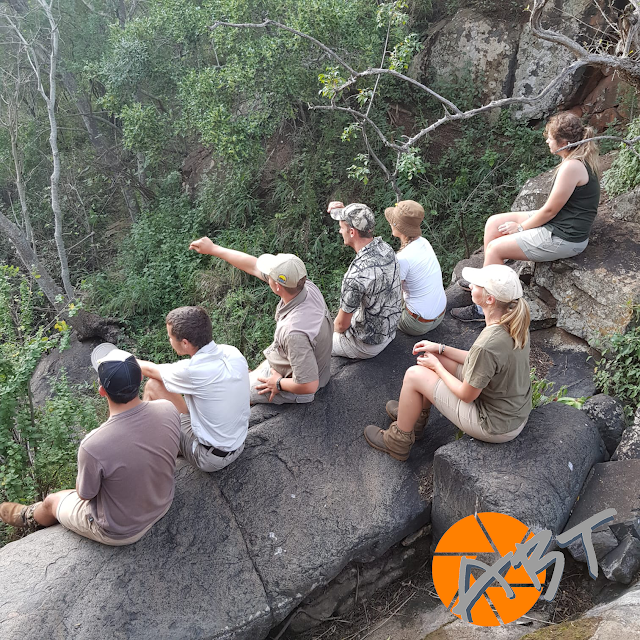
Recipe to become a better tracker #ABTRecipeFriday

Image
Learn more at https://abt-edu.com Learn to feel the heartbeat of your environment. Find somewhere to sit, then let your mind go blank. Get good at feeling, seeing, listening, tasting and smelling. We think vision is our strongest sense, but smell is our most primeval – it can deliver more information than any other. When you’ve honed your senses, they will combine into one super-sense: intuition. Getting to know where the food, water and barriers are will help you to find good tracks. Imagine flying above the landscape, gaining a bird’s eye view of the animal you’re tracking. Think as the animal is thinking. If I’m in dangerous-animal country I try to think ‘smarter’ than the animal. Find the shadows and you’ll find the leopard (they rely on them for camouflage). Find the prey and you’ll find the predator. Also, look for ‘track traps’ – soft or sandy patches, into which animals are funnelled; try trails – most animals opt for the path of least resistance. Keep your eyes peeled for colo...

Fact: Geckos' eyes are 350 times more sensitive to light than human eyes. #ReptileMonday

Image
Here are a few Gecko facts you need to know: Most species of gecko don’t have eyelids, so they lick their eyes to clean them. Geckos range in life span depending on the species, but many will live around five years in the wild. Geckos use their tails to store fat and nutrients for lean times. Most geckos can detach their tails — and regrow them later if necessary. Geckos are able to produce various sounds for communication, including barks, chirps and clicks. Geckos' amazing toes help them stick to any surface except Teflon. Geckos typically eat fruits, insects and flower nectar. Geckos give birth by laying eggs. The female can be pregnant with her eggs for years before she lays them. For example, the harlequin geckos' pregnancy lasts three to four years. When the eggs are ready, a gecko lays her eggs in leaves and bark. These lizards have sticky feet that allows them to climb up slick surfaces. Their toes have microscopic hairs called setae that give them this sticky ability. ...

HOSPITALITY MANAGEMENT PROGRAM

Image
Learn more at https://abt-edu.com DURATION: 3 Months Full-time   The course centres around three primary topics of importance, which include an introduction to hospitality management, an overview of all the key operations in hospitality and the responsibilities to uphold industry standards.    This HOSPITALITY MANAGEMENT PROGRAM, offers a comprehensive introduction to this dynamic and diverse business sector.  The course is designed for those with a strong interest in hospitality management, though no specific experience. A series of eight detailed modules gradually introduces students to every important skill, trait and insight required to begin or advance an exciting career, followed by practical work experience in a typical bush camp and high profile guest lodge. QUALIFICATIONS INCLUDED: Lodge Leadership, Game Lodge Management, Accommodation Services, Professional Cookery & Kitchen Operations, Hospitality Reception, Food & Beverage Services, Ev...

Becoming a good Birder #ABTRecipeFriday

Image
Learn more at https://abt-edu.com Have good eyes and ears, and a good brain. At its most fundamental level, birding involves seeing and hearing birds, and then processing the visual and aural input to the birder’s brain. Start young. It is more difficult if you begin as an adult or even a late teenager. Don’t get cocky. Teen birders, who, despite brilliant sensory and neural apparatus, are eerily capable of mistaking a common Savannah Sparrow for a mega-rarity Baird’s Sparrow. Stay with it. The longer you bird, the better you learn. Know status and distribution. This information makes a huge difference in the bird identification process. Learn vocalizations of as much birds as you possibly can. Understand behavior. Recognizing behavioral clues is a key component of bird identification. Go naked! You don’t necessarily notice stuff when you’re birding with binoculars or any other equipment. Have fun. Birding doesn’t promise a cure for cancer. Birding doesn’t provide a clear path to world...

CONSERVATION MANAGEMENT PROGRAM

Image
Learn more at https://abt-edu.com Duration: 3 Months Full-time   Join the ‘Conservation Services’ community today and contribute to wildlife conservation in Africa... The aim of this course is to provide students with the skills to succeed in a rapidly-changing nature conservation environment where innovation is key. Graduates are equipped with a comprehensive range of technical, managerial, research, communication and life skills for employment in the field of nature conservation. The purpose of this qualification is to supply the nature conservation industry with people who can competently contribute to the conservation of biodiversity and provide knowledgeable assistance to natural resource and reserve managers.   QUALIFICATIONS INCLUDED: Wildlife/Reserve Management, Wilderness Protection (Anti-poaching), Field Ranger Training, Game Ranching/Game Breeding, Wildlife Rehabilitation, Wildlife Research, Conservation Action Planning, And much more... Contact us at in...

Become a part of nature with a walking safari #WildWednesday

Image
What better way to experience the ultimate in safari experiences - picture walking through the untouched wild of South Africa, to your left a 1000-year-old Baobab tree, to your right a herd of giraffes getting ready for the day ahead. Step by step, you’re connecting with nature in its rawest form. It’s a magical experience you will never forget. Kruger National Park walking safaris are guided by experienced rangers with an extensive knowledge of the area, the wildlife, birdlife and indigenous vegetation.The camp-staff cook and clean while your guide leads you into close encounters with the African wild. Feel your excitement build as you track the South African Big 5 on your walking safari. On your walk, you’ll learn about the ecology, the birds, the game, the plants and insects, and also how to interpret the signs of the wild, including animal spoor (footprints). When you come face to face with that elephant, or watch that dung beetle labouring with his ball of dung, you'll realise...

GAME RANCHING / BREEDING COURSE

Image
Learn more at https://africanbushtraining.com COURSE TYPE : Full-time Training DURATION: 11-Days STUDENT FEE : R 14 700:00   INCLUDED: Meals, Accommodation, Study Material, Uniform Contribution, Membership-, Exam-, Assessment- & Moderation- Fees COURSE CREDITS: This course is accredited and fully endorsed by the ISCI (International Students Conservation Initiative). COURSE MODULES: Introduction to Game Ranching Ecosystems Planning & Management Nutrition in game animals Genomics as a tool for the wildlife industry Predator Management Game Capturing Methods Diseases & Parasites Animal Health Monitoring Species Accounts And much more… Contact us at info@africanbushtraining.com

WILDLIFE MANAGEMENT COURSE ( FULL OR PART TIME )

Image
Learn more at https://africanbushtraining.com COURSE TYPE: Full-time Training DURATION: 21-Days STUDENT FEE: R 26 700:00 INCLUDED: Meals, Accommodation, Study Material, Uniform Contribution Membership-, Exam-, Assessment- & Moderation- Fees   COURSE CREDITS: This course is accredited and fully endorsed by the ISCI (International Students Conservation Initiative).   COURSE MODULES: Introduction to Wildlife Management Conservation Action Planning Laws & Legislation Bio-diversity Conservation Natural Resources Veld Management Ecological Processes & Principles Plant & Animal Care Land Degradation Invader Plants Bush Encroachment Road Maintenance Fire Management Elephant Management Animal Health Monitoring Game Fencing And much more… OR CHOOSE  COURSE TYPE:   I-LEARN Distance Learning & Full-time Contact Training DURATION & STUDENT FEE: PHASE 1: R 8 000:00 (I-LEARN Online Classes) PHASE 2: R 1...

GAME LODGE MANAGEMENT COURSE (FULL- OR - PART TIME)

Image
Learn more at https://africanbushtraining.com Full-time Contact Training DURATION : 30-Days STUDENT FEE : R 35 000:00 INCLUDED : Meals, Accommodation, Study Material, Uniform Contribution, Membership-, Exam-, Assessment- & Moderation- Fees COURSE CREDITS : This course is accredited by TRIDEN Hospitality Staff Investment Projects and the ISCI (International Students Conservation Initiative) and is aligned with CATHSSETA requirements for the National Certificate. COURSE MODULES: Housekeeping Service Porter Service Table & Drinks Service Professional Cookery & Kitchen Operations Front-of-House operations (Reception) Preventative Maintenance Guest Relations & Customer Service Function Management & Coordination Lodge Leadership OR CHOOSE  I-LEARN Distance Learning & Full-time Contact Training DURATION & STUDENT FEES PHASE 1 : R 8 000:00 PHASE 2 : R 14 000:00 (10-Days Practical Contact Training) TOTAL :   R 22 000:00 IN...

Recipe to being an excellent Field Guide #ABTRecipeFriday

Image
©Hannalize Van Der Colff A Field Guide needs the following traits : An inherent passion for observing, sharing and learning about wildlife. The ability to work on his/her own with enthusiasm. Flexible in that he/she is willing to change plans on the spur of the moment and is willing to innovate in the interests of the guest and the company.  Confident but humble.  Co-operative – and keen to work with the balance of the team in the interests of the lodge and the guests. Organized – with attention to detail and time. A developmental approach to his/her staff and colleagues. Professional and neat in personal appearance and image. A person who can live in remote places. A person with an upbeat, positive attitude. Must be willing to do physical, hard work, like mend a fence. May be able to host at dinner / drinks. Ensuring guest safety at all times. Helping problem animal controll. Learn more at https://africanbushtraining.com